Dancing and Ululation at the Burial of Children: Grief, Protest, and the Reclaiming of Meaning
By: Farzaneh Ravesh
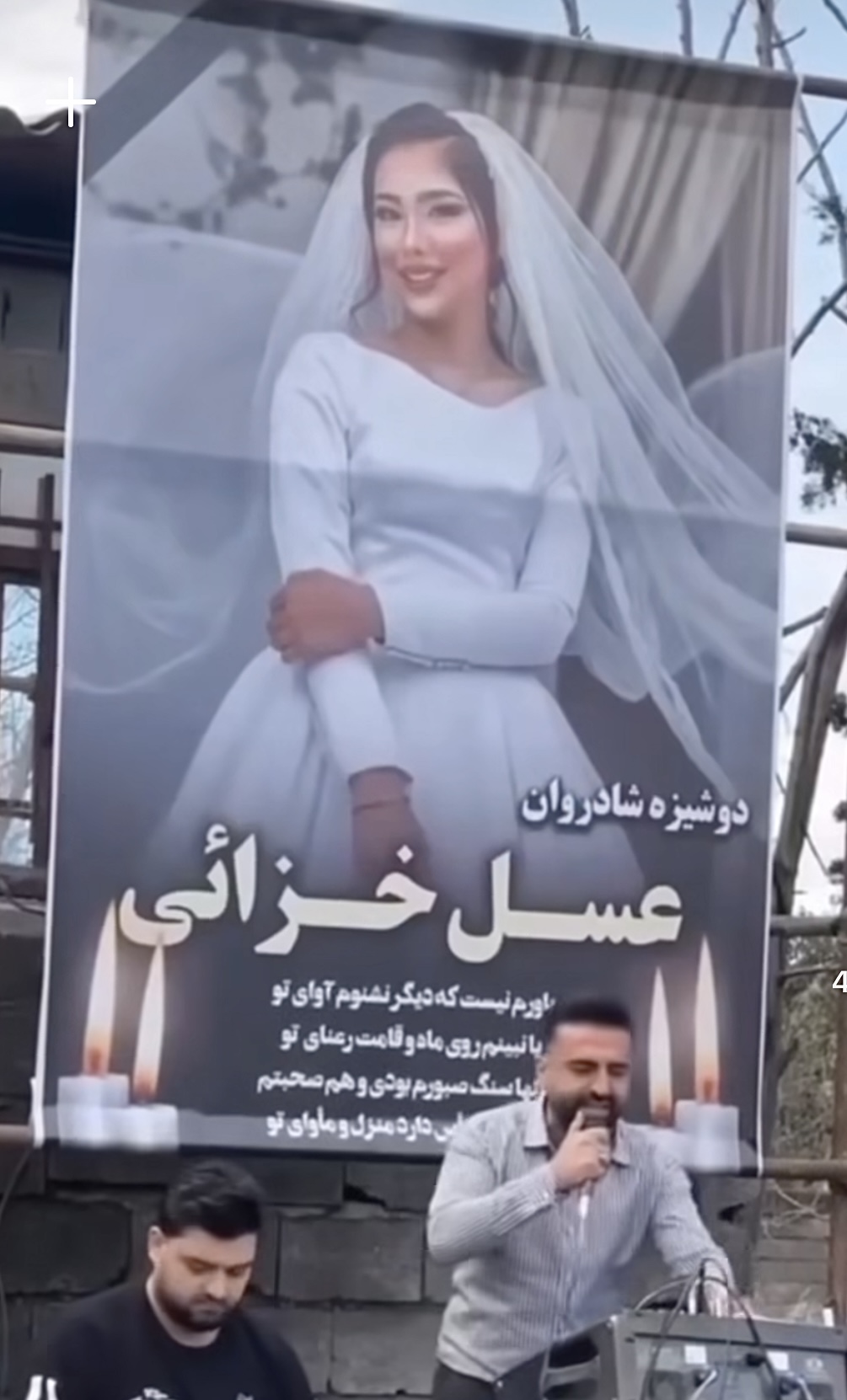
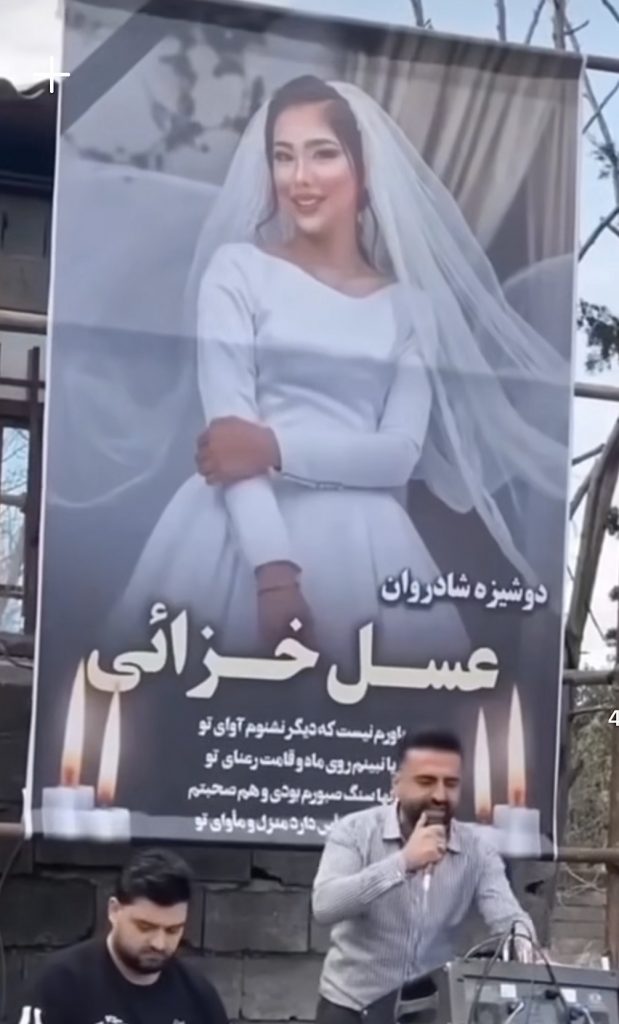
In the weeks and months following the protests of January 2026 (Dey 1404), scenes have emerged across various cities in Iran that have shaken the collective conscience of society: families who lost their children during the protests, yet instead of silence and conventional mourning, they dance, ululate, and sing at funerals, seventh-day, and even fortieth-day memorials. Many of these ceremonies are still ongoing; the grief is fresh, and the wound remains open.
At first glance, this behavior may seem contradictory or even incomprehensible. How can a parent who has just lost a child dance? Yet what unfolds in these ceremonies is neither joy at death nor denial of loss. It is a form of conscious and defiant mourning—a human response to a death that was neither natural nor meant to be normalized or forgotten.
During the January 2026 protests, many families were suddenly confronted with a reality for which no official language exists: the death of their children amid repression, denial, and enforced silence. Under such conditions, traditional mourning—quiet, subdued, and withdrawn—no longer suffices. These families understand all too well that if their grief is reduced to tears and silence alone, their children’s deaths will quickly be turned into a “news item,” a “closed case,” and their blood will be trampled and erased.
Dancing and ululation at these ceremonies are not celebrations of death; they are acts of refusal—refusal of fear and submission. They are a resounding “no” to a narrative that seeks to strip these victims of name, story, and meaning.
For many of these families—especially parents still in the midst of seventh- and fortieth-day memorials—this bodily act is the only remaining way to preserve dignity and prevent the blood of their loved ones from being rendered meaningless. A body that was meant to be frozen by fear begins to move. A body expected to collapse instead stands firm. This movement is not the negation of grief, but a way of transforming unbearable sorrow into rage and retribution—a rage that, they believe, must ultimately lead to national liberation from a repressive and criminal regime. Blood that was shed for the freedom of Iran.
In some of these ceremonies, families openly state that their children died for life, not for death. In this sense, dancing becomes the continuation of a life left unfinished—as if the parents are saying:
“You took their bodies, but not their meaning.”
This form of mourning, particularly after January 2026, constitutes a kind of silent yet profoundly resonant pursuit of justice. Without political slogans, without platforms or statements, these families speak through their bodies. They refuse the role of the “silent victim” and reject being reduced to objects of pity. This is a form of agency born directly from loss.
At the same time, this act is a direct challenge to the Islamic Republic’s dominant discourse on mourning—a discourse that for decades has sought to turn grief into an ideological instrument. In this framework, the bereaved are expected to assume the role of the “oppressed victim,” to weep, remain silent, and interpret their suffering through submission and divine fate. Mourning, in this narrative, is not a means of reclaiming dignity, but a tool for reproducing victimhood and social passivity.
By relying on Shiite mourning rituals—particularly those associated with the so-called Imams—the Islamic Republic has entrenched a culture in which grief, tears, and unquestioned sorrow are treated as virtues. The regime’s preferred form of mourning is one that raises no questions, generates no anger, and leads to no demand for justice. Even violent death must be reduced to a “divinely ordained tragedy,” with the bereaved cast as passive spectators of their own suffering.
The dancing and ululation of the families of those killed in January 2026 represent a deliberate rupture with this model. By refusing ritualized weeping and state-approved mourning, these families declare that they will not keep their pain in a passive form, but transform it into an angry uprising to reclaim their children’s blood. They do not want their grief to become fuel for an ideological machine; they refuse to let their children be turned into “silent martyrs” or “helpless victims” within the official narrative.
In this sense, this form of mourning is not only a protest against political repression, but against the state’s monopoly over the meaning of death and sorrow. These families assert their right to decide how to mourn, how to remember their children, and how to assign meaning to their deaths. This is an act of expropriation from power—a power that has long sought to control both joy and grief.
These dances are not signs of having moved beyond mourning; they are signs of the depth of the wound. A society whose grieving families resort to such expressions is one in which ordinary paths for articulating pain have been sealed. When justice is absent, mourning is forced to assume unconventional forms.
Today, as many seventh- and fortieth-day memorials for the victims of January 2026 are still underway, these images compel us to pause. What we are witnessing is not disrespect for death, but a dignified struggle to preserve meaning in the face of erasure.